
Brazil's Senate backed a 10% cut to tax breaks. For agribusiness, the detail is who made the exemption list
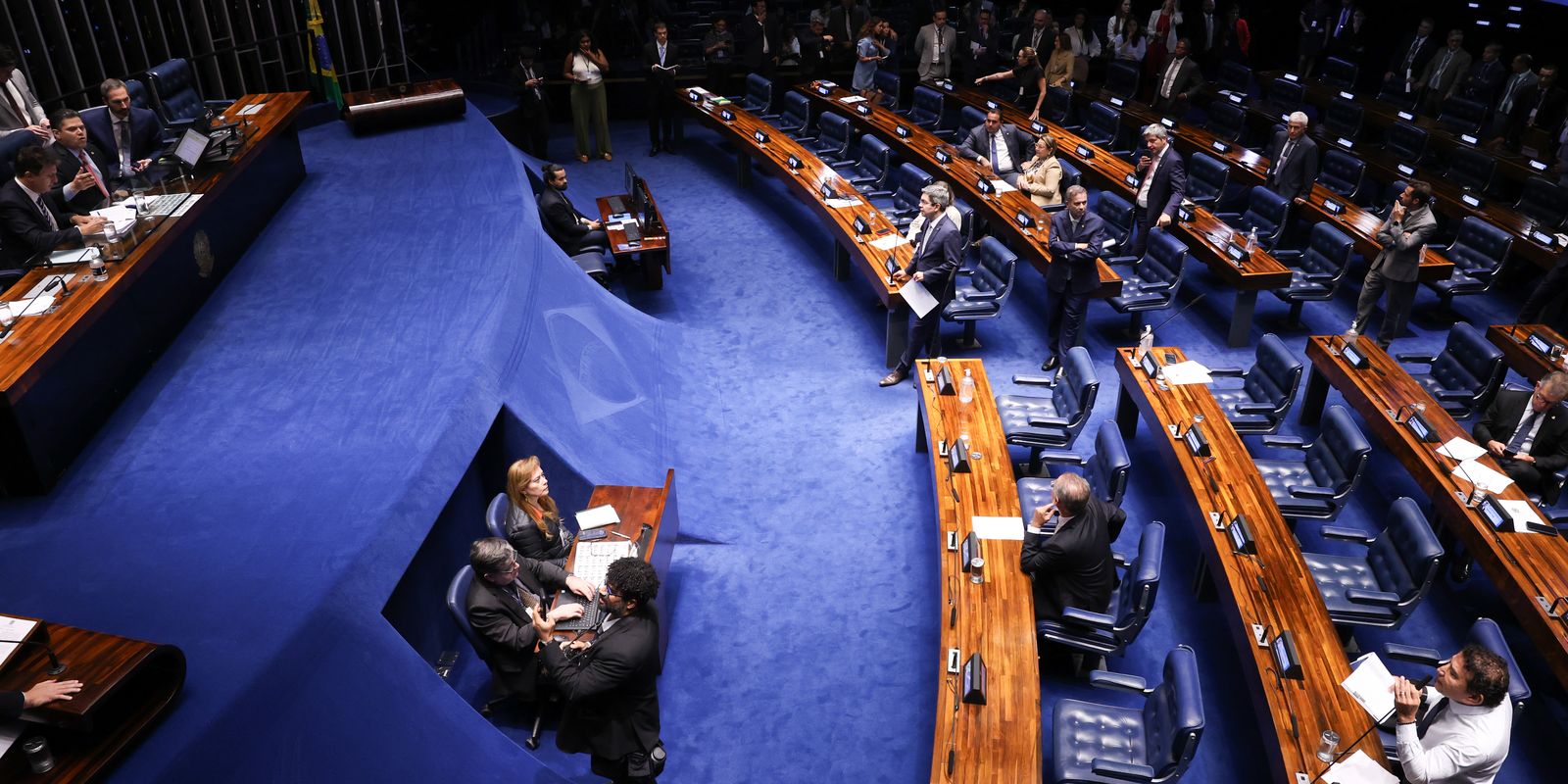
By 45 to 31, the Senate approved the core of the fiscal package that aims to save R$ 50 to 60 billion in 2027. Amendments come Tuesday (17), then the bill goes to the lower house.
To save you time4
- What did the Senate approve?
- The core text of the fiscal adjustment package, 45 votes to 31. Amendments are expected Tuesday (17), then the bill goes to the Chamber of Deputies.
- How much does the government expect to save?
- Between R$ 50 billion and R$ 60 billion in 2027, according to Planning Minister Bruno Moretti.
- Who is spared from the 10% cut?
- Payroll, IT, semiconductors and the vehicle exemption for people with disabilities and autism. Agribusiness is not on that list.
- Why does it matter for agribusiness?
- Smaller tax breaks hit margins, and fiscal credibility moves the dollar and the rates that set the cost of farm credit.
Tickers in this story
Read the full analysis +
I'll get straight to it: on Thursday (12) Brazil's Senate approved the core text of the government's fiscal package, 45 votes to 31. The promised savings are R$ 50 to 60 billion in 2027, according to Planning Minister Bruno Moretti.
Amendments (attempts to change specific sections) will likely be voted on Tuesday (17). Then the bill heads to the Chamber of Deputies.
What matters here
The heart of the package is a flat 10% reduction in tax breaks, on top of the cut approved at the end of 2025. Combined, the reduction may reach 20% of the original amounts.
The detail I'd check first is the exemption list: payroll, IT, semiconductors and the vehicle tax break for people with disabilities and autism. Agribusiness is not on it. If you follow companies that rely on tax incentives, read the final text before redoing your numbers.
The farm caucus's worry
The agribusiness caucus (FPA) is focused elsewhere: a temporary limit on using tax credits to offset taxes owed during containment periods. The bill doesn't say when those credits can be used again, which the caucus calls legal uncertainty. At least two amendments try to strike the mechanism. "Nobody here is against the bill," said Senator Tereza Cristina (PP-MS).
The spending brake
The bill also lowers the cap on spending growth from 2.5% to 2% above inflation in years when the containment triggers are activated. And it allows the government to freeze spending to hit the center of the fiscal target.
There's some slack too: up to R$ 10.5 billion in diesel subsidies may be left out of the 2026 target calculation. If you run a fleet in the countryside, that's the helpful part.
The 2027 target is a primary surplus of 0.5% of GDP, or R$ 73.2 billion.
What I'd watch
First, Tuesday's amendments: that's where sectors try to escape the cut. Second, the lower house. The urgency request passed the Senate by just 40 to 38, a sign the margin is thin. Third, the currency: with the dollar under pressure, the market will judge whether the package is convincing.

